Sunday, November 19, 2006

16 Italian TV to LEARN ITALIAN

Dear friends,

if it’s someone over there who is interested in

1) learning and practising Italian,
2) watching 16 Italian TV channels on the net, right in my sites:

1) Rai News 24 - site http://www.rainews24.rai.it/ - A public TV news channel 24/7. The most popular news channel in Italy.
2) Rai Utile - site
http://www.raiutile.rai.it/ - "Utile" means useful, you can find here specialized programs about health service, school, university, welfare, end a lot of other interesting things.
3) Rai Futura TV a new Rai channel for young people.
4) Impresa live -
http://www.impresalive.tv/ (business company live), a channel from the Commerce chamber of Milan, about business and economics
5) Sky life TG24 -
http://www.skylife.it/html/skylife/tg24/
6) Sardegna1 - site not yet available - A regional channel from Sardinia, about cultural identity, tradition and how Sardinia is going to find hits way to progress, and to industrial development.
7) Ermes TV - site
http://www.ermes.net/tv.php - About tourism and territory.
8) Class News - site
http://www.classcity.it/class_city/contenuti/classcity.htm - A news channel.
9) 3 Channel - site
http://www.3channel.it/ - General TV channel.
10) Exformat - site not available - High speed television (1200 kps), to watch full screen.
11) TV Oggi - site
http://www.tvoggisalerno.it/ - A general TV station from Salerno
12) Sat 2000 - site
http://www.sat2000.it/ - Catholic television well known in Italy.
13) CFN/CNBC - site not available - Financial news from Milan
14) Roma 1 - Typical Roma channel, everything about my beautiful city.
15) Vatican TV - site
http://www.radiovaticana.org/
16) Tele Ticino - site
http://www.teleticino.ch/ Interesting but only 100 kps TV channel in Italian from Switzerland.

3) listening to an actor reading

A) Italian novels (integral text) [while you are reading the same text right on the screen of your computer],

a) "THE VICEROYS" novel by FEDERICO DE ROBERTO
b) "CONFESSIONS OF ZENO" novel by ITALO SVEVO
c) "MALAVOGLIA FAMILY" novel by GIOVANNI VERGA
d) “PINOCCHIO” children oriented novel by CARLO COLLODI

B) listening to an actor reading short stories in Italian [while you are reading the same text right on the screen of your computer],

e) “THE HAPPY PRINCE” by OSCAR WILDE
f) “THE SESLFISH GIANT” by OSCAR WILDE
g) “A GHOST INTO A RASPBERRY” by IGINO UGO TARCHETTI
h) “MASTER PITCH STORIES" by EMILIO SALGARI

4) reading a lot of writings in Italian with the English translation,

5) finding Italian dictionaries, sites about how to conjugate Italian verbs, Rome from satellite pictures, interesting websites about Italian TV channels, about Italian newspapers, about archaeological interest websites, …

6) practising your Italian in chat or in an English-Italian forum,

you have to visit my site “HOW TO LEARN ITALIAN”:

http://xoomer.alice.it/learn_italian

If you are well skilled in Italian language you can practice the current spoken language visiting another website of mine: “ESSERE IN DUE” (to be two):
http://xoomer.alice.it/eventually an Italian website about the couple life. You can find there 42 stories about different ways of being a couple. Stories are in modern current spoken Italian.

The philosophy of my websites is:
Nothing commercial here but only friendly!
According to the philosophy of this sites I listed in my pages only the websites without commercial references, like official sites of the Archeological Superintendence or personal sites with nothing commercial. That's a rigid choice but it's my choice: get in touch with people interested in Italian culture, in order to exchange ideas, to learn reciprocal languages, only on a friendly base.

Friday, November 10, 2006

HOW TO LEARN ITALIAN


HOW TO LEARN ITALIAN


On my site (NOTHING COMMERCIAL, ONLY FRIENDLY):

A) 15 Italian TV Cnannels.
B) Books (novels and short stories) with the Italian text and the corresponding audio-files for listening.
C) Grammar notes.
D) A lot of writing both in Italian and in English about history and Italian culture.
E) Useful sites to Learn Italian on the net (dictionaries, free courses beginners level, Italian press websites, satellite-maps and cartography of Italy. Archaeology and history sites. Italian verbs conjugation.
F) A private chat.
G) A forum both in Italian and in English.

And many other thinks.

Check my site "HOW TO LEARN ITALIAN"

Tuesday, October 31, 2006

PINOCCHIO

PINOCCHIO
by Carlo Collodi (Lorenzini) 1881
READ (IN ITALIAN AND IN ENGLISH) AND LISTEN IN ITALIAN

Something about PINOCCHIO

FISRST IN ENGLISH... THEN IN ITALIAN

Once upon a time, there was ... 'A king!' my little readers will say right away. No, children, you are wrong. Once upon a time there was a piece of wood....

The Adventures of Pinocchio is a story about an animated puppet, talking crickets, boys that turn into mules and other assorted fairy tale-like devices that would be familiar to a reader of Alice in Wonderland or Brothers Grimm. Pinocchio is not a traditional fairy-tale
world, containing as it does the hard realities of the need for food, shelter and other basic measures of daily life, even the setting of the story is the very real Tuscan area of Italy. It was a unique literary melting of genres for its time.

Pinocchio draws from classical sources, such as Homer
and Dante, but more significantly is a part of the Tuscan novella or short-story tradition which found its genesis in Boccaccio's Decameron (1353), as Glauco Cambon wrote:
"Storytelling is a folk art in the Tuscan countryside, and has been for centuries. Pinocchio's relentless variety of narrative incident, its alertness to social types, its tongue-in-cheek wisdom are of a piece with that illustrious tradition."

Collodi had not originally intended the work as children's literature; the ending was unhappy and allegorically dealt with serious themes. In the original serialized version, Pinocchio seemingly dies a gruesome death, hanged for his innumerable faults at the end of chapter 15. At the request of his editor, Collodi added chapters 16–36, in which the Blue Fairy
rescues Pinocchio and eventually turns him into a real boy when he acquires a deeper understanding of himself, making it more suitable for children. The Blue Fairy, a female motherly figure, plays the dominant role in the second half of the book, versus the fatherly figure of Geppetto in the first part.

Children's literature was a new idea in Collodi's time, an innovation in nineteenth-century Italy (and elsewhere). Thus in content and style it was new and modern, opening the way to many writers of the following century. Collodi, who died in 1890, was respected during his lifetime as a talented writer and social commentator, but his fame did not begin to grow until Pinocchio was translated into English for the first time in 1892, but in particular with the widely read Everyman's Library
edition of 1911. The popularity of the story was bolstered by the powerful philosopher-critic Benedetto Croce who had great admiration for the tale.

Several of the book's concepts have become commonplace, particularly the proverbial long nose for liars
. The name "Pinocchio" is from Tuscany and means "pine nut". Its Italian language is peppered with Florence dialect features.

Pinocchio, in addition to a children's tale, is a noven of education
, with values expressed through allegory. There are many ways to view these allegories. One is that they mirror the values of the middle class of the 19th century, in particular Italy as it became a nation state. For example, not following the schemes of the fox and cat (ie. thieving noble class) but instead working honestly for money and getting an education so you are not treated like an ass (mule working class). Not surprisingly, although the book was very popular, in many upper class families of the period it was not a book initially regarded as suitable for "well-educated" children.

It is also an allegory of contemporary society, a look at the contrast between respectability and free instinct in a very severe, formal time. Behind the optimistic pedagogical
appearance, the romance is a sad irony, and sometimes a satire, on that formal pedagogy and, through this, against the nonsense of these social manners in general.

NOW IN ITALIAN


C'era una volta... Un re! - diranno subito i miei piccoli lettori. No, ragazzi, avete sbagliato. C'era una volta un pezzo di legno.

Le avventure di Pinocchio sono una storia che riguarda un burattino animato, grilli parlanti, ragazzi che si trasformano in asini altre creature fantastiche che dovrebbero essere familiari al lettore di "Alice nel paese delle meraviglie" o dei "Fratelli Grimm". Pinocchio non rappresenta un mondo di favola tradzionale, dato che contiene le dure realtà del bisogno di cibo, di protezione e altre realtà fondamentali della vita di tutti i giorni, anche l'ambiente della storia è la reale e concreta area toscana dell'Italia. Fu una fuione unica dei generi letterari del suo tempo.

Pinocchio deriva da origini classiche, come Omero e dante ma più specificamente è parte della tradizione della novella o della storia breve toscana che fonda le sue origini nel Decameron (1353) di Boccaccio, come ha scritto Glauco Cambon:
"Raccontare storie è un'arte popolare in Toscana e lo è stata per secoli. L'incessante varietà di accadimenti narrativi, la sua attenzione ai tipi sociali, la sua scherzosa intelligenza ben si adattano con quella illustre tradzione."

Collodi non intendeva originariamente la sua opera come letteratura per ragazzi; la conclusione era infelice e aveva a che fare allegoricamente con temi seri. Nella versione originale a puntate, Pinocchio verosimilmente muore di una morte orribile, impiccato per i suoi innuerevoli errori, alla fine del quindicesimo capitolo. A richiesata del suo editore, Collodi aggiunse i capitoli da 16 a 36, nei quali la Fata Turchina salva pinocchio e alla fine lo trasforma in un bambinio vero, quando acquista una più profonda consapevolezza di se stesso, rendendo la storia molto più adatta ai ragazzi. La Fata Turchina, una figura femminile materna, gioca un ruolo dominante nella seconda metà del libro, rispetto alla figura paterna di Geppetto nella prima parte.

L'opera di Collodi, ai suoi tempi, era qualcosa di originale, una novità nell'Italia del diciannovesimo secolo (e altrove). Perciò per contenuto e stile era nuova e moderna e apriva la strada a molti scrittori del secolo seguente. Collodi, che morì nel 1890, fu rispettato da vivo come scrittore di talento e commentatore sociale ma la sua fama non cominciò a crescere finché Pinocchio non fu tradotto in Inglese per la prima volta nel 1892, ma in particolare fino all'edizione largamente diffusa della Everyman's Library, del 1911. La popolarità della storia fu sostenuta dal grande filosofo e critico Benedetto Croce che aveva grande ammirazione per la favola.

Molti concetti del libro sono dinetati luoghi comuni, in particolare il lungo naso dei bugiardi. Il nome "Pinocchio" è una modo di dire toscano per pigna. Il suo linguaggio italiano è condito con espressioni del dialetto fiorentino.

Pinocchio, oltre che un racconto per bambini, è un romanzo di educazione, con valori espressi attraverso l'allegoria. Ci sono molti modi di vedere queste allegorie. Uno è che esse rispecchino i valori della classe media del diciannovesimo secolo e in particolare l'italia quando essa divenne uno stato nazionale. Per esempio, non seguendo gli esempi della volpe e del gatto (cioé le classi nobili che rubano) ma lavorando invece onestamente per guadagnare e ricevendo una educazione tu puoi non essere trattato come un somaro (classe lavoratrice che lavora come un mulo). In modo non sorprendente, comunque, anche se il libro era molto popolare, in molte famiglie di classe elevata di quel periodo non era considerato inizialmente come un libro adatto a ragazzi "bene educati".

E' anche un'allegoria della società contemporanea, uno sguardo al contrasto tra la rispattabilità e l'istinto libero, in un perido molto severo e formale. Dietro l'ottimistica apparenza pedagogica, è romanzo costituisce una triste ironia e talvolta una satira su quella pedagoria formale e, attreverso questa, sul nonsenso di quei comportamenti sociali in genere.

Would you like to read "Pinocchio" both in Italian and in English and listen to an actor reading it? Well, you only have to chek my site "HOW TO LEARN ITALIAN":


http://xoomer.alice.it/learn_italian

Sunday, October 22, 2006

13 Italian TV Channels on my web site

Dear freiends you can liesten to 13 Italian TV channels on my website "HOW TO LEARN ITALIAN"
1) Rai News 24 - site http://www.rainews24.rai.it/ - A public TV news channel 24/7. The most popular news channel in Italy.
2) Rai Utile - site
http://www.raiutile.rai.it/ - "Utile" means useful, you can find here specialized programs about health service, school, university, welfare, end a lot of other interesting things.
3) Rai Futura TV - site http://www.futuratv.rai.it/
a new Rai channel for young people.
4) Sardegna1 - site not yet available - A regional channel from Sardinia, about cultural identity, tradition and how Sardinia is going to find hits way to progress, and to industrial development.
5) Ermes TV - site
http://www.ermes.net/tv.php - About tourism and territory.
6) Class News - site
http://www.classcity.it/class_city/contenuti/classcity.htm - A news channel.
7) 3 Channel - site
http://www.3channel.it/ - General TV channel.
8) Exformat - site not available - High speed television (1200 kps), to watch full screen.
9) TV Oggi - site
http://www.tvoggisalerno.it/ - A general TV station from Salerno
10) Sat 2000 - site
http://www.sat2000.it/ - Catholic television well known in Italy.
11) CFN/CNBC - site not available - Financial news from Milan
12) Roma 1 - Typical Roma channel, everything about my beautiful city.
13) Vatican TV - site
http://www.radiovaticana.org/

Tuesday, October 10, 2006

OSTIA

Dear friends what am I writing about today? It’s hard to find something that would be interesting for you… Well, I’m going to write about a sea site near Rome. It’s called Ostia.
This word is a Latin word that means “mouths” but mouths of a river. Shortly… you know… a River before entering the sea divide itself into two or more channels… Romans called that channels “mouths” of the river… “Ostia”. Clearly the River in this case is the Tiber, the river of Rome. From the republican period (509 b. C. – 31 b. C.) there was a little town by the sea, just where the Tiber entered the sea. The Tiber formed at that time two different channels: the big channel and the little channel this one called in old Italian Fiumicino, that means little river, and near this “little river” there is today the little town called Fiumicino. Instead Ostia was built near the big channel. Ostia was a big city, with theatres, big tombs, and many buildings.
The emperor Claudius ordered to dig an arbour for commercial traffic, then at the beginning of the second century the emperor Traianus built a monumental harbour. Then slowly but inevitably, because of barbaric invasions and the malaria (another Italian word that means “bad air”) the town of Ostia was abandoned but well preserved till now.
Near archaeological zone there is a little castle of the pope Julius II (in Italian Giulio secondo), the pope of Michelangelo and of the Sistine Chapel.
Julius II was nephew (in Italian “nipote”) of the pope Sixtus the forth (that’s why Sistine Chapel) and ad that time (and also at our time) uncles use to support their nephews in everything. At Julius II times, Ostia was a little village, nothing similar to the rich city of Traianus times, just some little houses by the castle of the pope.
The new city of Ostia was built by workers coming from Ravenna (a City of the northern Italy on the Adriatic sea). A lot of those workers died because of malaria at the beginning of the XX century. Now there is a big street called “via dei Ravennati”, the street of the workers of Ravenna, to remember people that built the new town of Ostia.
Nowadays Ostia is a quarter of Rome, but a big one because in the summer live in Ostia more than 300,000 people, less in the winter.
Ostia is 30 Km far from Rome and a lot of Romans witch don’t like to travel faraway spend their summertime in Ostia.

Can I suggest you a little thing? ... If you check my site "HOW TO LEARN ITALIAN"
you can find a new page "Ostia" with pictures about what you can only read in this blog.
Thans for reading.

Tuesday, September 26, 2006

ITALIAN TV ON MY SITES (12 ITALIAN CHANNELS)


On my site (in English) “HOW TO LEARN ITALIAN”:

http://xoomer.alice.it/learn_italian
(and also on my site in Italian “essere in due” http://xoomer.alice.it/eventually)

you can now watch 12 Italian TV channels (naturally absolutely free). Enjoy Italian TV!
This is the list of TV stations you can find there.

1) Rai News 24 - site
http://www.rainews24.rai.it/ - A public TV news channel 24/7. The most popular news channel in Italy.
2) Rai Utile - site http://www.raiutile.rai.it/ - "Utile" means useful, you can find here specialized programs about health service, school, university, welfare, end a lot of other interesting things.
3) Sardegna1 - site not yet available - A regional channel from Sardinia, about cultural identity, tradition and how Sardinia is going to find hits way to progress, and to industrial development.
4) Ermes TV - site http://www.ermes.net/tv.php - About tourism and territory.
5) Class News - site http://www.classcity.it/class_city/contenuti/classcity.htm - A news channel.
6) 3 Channel - site http://www.3channel.it/ - General TV channel.
7) Exformat - site not available - High speed television (1200 kps), to watch full screen.
8) TV Oggi - site http://www.tvoggisalerno.it/ - A general TV station from Salerno
9) Sat 2000 - site http://www.sat2000.it/ - Catholic television well known in Italy.
10) CFN/CNBC - site not available - Financial news from Milan
11) Roma 1 - Typical Roma channel, everything about my beautiful city.
12) Vatican TV - site http://www.radiovaticana.org/

Sunday, September 24, 2006

LEARN ITALIAN


FIRST IN ITALIAN... THEN IN ENGLISH
first in Italian...

Cari lettori,
Come posso vedere, c’è qualcuno ed io potrei dire almeno un piccolo gruppo dei miei lettori che usa regolarmente il mio sito “Come imparare l’Italiano”

Bene… non so se siete capaci di leggere l’Italiano, forse potete… ecco perché ho avviato questa nuova pagina “Lettera ai mie lettori” (Prima in Italiano… dopo in Inglese). Potrebbe essere uno strumento utile per praticare l’Italiano… leggere qualche breve lettera in Italiano e tradurla in Inglese. Niente di difficile se le vostre capacità nella lingua italiana vi permettono di leggere e di capire.
Aggiungerò talvolta delle note grammaticali al testo italiano per farvi capire più esattamente perché questa o quella espressione è usata in questo o in quell’altro modo.
Se ci fosse fra i miei lettori qualcuno che volesse aiutare il mio povero Inglese correggendo i miei errori, io gli sarei molto grato(* see GRAMMAR NOTES[column on your left] - JUST A LITTLE ITALIAN 5)… Il mio sito potrebbe migliorare e io potrei imparare un Inglese migliore… cosa alla quale sono molto interessato.
Quando ritornate su questo sito controllate subito la sezione “Lettera ai miei lettori”… spero che ci posiate trovare qualcosa di utile. Per il momento grazie.
Sto andando a tradurre questo messaggio in Italiano e ad aggiungere le note grammaticali.
Cari amici, dovete ricordare sempre che “qui non c’è nulla di commerciale, solo cose amichevoli”… quindi nulla da temere, nulla di cui preoccuparsi… dovete solo rompere il ghiaccio… alcuni amici lo hanno già fatto e devo ringraziarli! …
Ricordate: in Inglese, se volete in Francese (per i Canadesi, ma anche ovviamente in Italiano, la mia lingua madre… devo ricordare che alcuni tra i miei amici scambiano lettere con me usando lo Spagnolo e io bosso capirlo… ovviamente le mie risposte sono in Inglese, ma questo non è mai stato un problema.
Grazie, vi sto aspettando…
Con amicizia, il Vostro webmaster.

...then in English

Dear readers,
As I can see, there is someone and I could say at list a little group of my readers that use regularly this site “How to learn Italian”

Well… I don’t know if you are able to read Italian, perhaps you can… that’s why I started this new page “Mail to my readers” (First in Italian… then in English). It would be an useful instrument to practise Italian… read some short Italian letters and translate into English. Nothing difficult if your Italian language skills allow you to read and understand.
I’ll add sometimes grammar notes to the Italian text to let you understand more exactly why this or that expression is used this o that way.
If there is among my readers someone who would help my poor English correcting my mistakes I’ll be very grateful… My site could better and I could learn a better English… what I’m very interested to.
When you came back to this website check first the section “Mail to my readers”… I hope you can find here something useful. Thanks for now.
I’m going to translate this message into Italian and to add grammar notes.
Dear friends… you have always to remember that “nothing commercial here but only friendly”… therefore nothing to fear, nothing to worry about… you only have to break the ice… some friends did it yet and I have to thank them! … Remember: in English, in French if you like (for Canadian people), but also obviously in Italian, my mother language… I have to remember that someone between my friends exchange letters with me using also Spanish, I’m not skilled in Spanish but I can understand… obviously my responses are in English, but this was never a problem .
Thank you. I’m waiting for you…
Friendly, Your webmaster.

Friday, September 22, 2006

Write, write, write!

What am I going to tell you with this little communication?
Easy to explicate. I got messages from abroad on my Yahoo!360 and also got a lot of visits from USA on my site “How to learn Italian”
I hope the message exchange will continue on Yahoo!360, or, better, on my Forum. And that’s one… and my readers from USA? … They read my sites, especially “How to learn Italian” and “Italian culture in pills”, and spend their time on my sites (more or less, 10 minutes each)… I’m very proud of that but I can’t start a true conversation with my readers, they read but never write anything… Now for the fist time I added on my site “How to learn Italian” a little list of my readers (only country and location) accustomed to go back to my sites several times. I hope this expedient will encourage them to write a post for my forum… I hope they wouldn’t stop reading my websites… My only aim in building my sites is to get in touch with English speaking people and my site’s philosophy is “Noting commercial here but only friendly!”

Sunday, July 30, 2006

WATCH ITALIAN TV ON MY SITE

Dear friends
as I can find out of my statistical sites, visits from abroad are increasing but responses don’t go the same way. I don’t know how did you come on this blog neither what where you searching for. My English blogs are “Italian culture in pills” and “Italian friend” the word Italian here is important… If you where using search engines, I suppose you used the word Italian as key entry, but what where you looking for about Italy or Italian? I got visits from a lot of places (China [ about 10 minutes visit], Sweden, Canada, U.K., U.S.A., and other places) but never got a response, except that one I got from U.S.A.. Is there something you’d like to know about Italy or Italian language? As you can read in my preceding posts, I just restyled my sites (in Italian “Essere in due” [to be two] and in English “HOW TO LEARN ITALIAN”). I’d like to better my English site putting there things that could be useful to make easier the learning of Italian language and the approach with pills of Italian culture… How are Italian origin people in the different countries? What would they like to know about Italy? On my site “HOW TO LEARN ITALIAN” you can watch very popular Italian TV Channels like RAI NEWS 24 or RAI UTILE and also other channels. This could be useful in order to practice Italian listening and to keep in contact with Italy and Italian people. Yes… to study Italian grammar is boring, it’s quite complicated, ok… but if you can yet understand little Italian you have to try Italian TV listening, if you can’t you have to do just a little effort in order to be able to understand… I’m here, your Italian friend.

VISIT MY WEBSITE HOW TO LEARN ITALIAN (nothing boring!)
http://xoomer.alice.it/learn_italian/

Friday, July 28, 2006

NEW "HOW TO LEARN ITALIAN"

I eventually got rid of my restyling work! My site (not a blog) HOW TO LEARN ITALIAN http://xoomer.alice.it/learn_italian/ has been newly published in a powerful frame edition. For my English speaking friends there are available also Italian grammar notes in the section JUST A LITTLE ITALIAN… check this site if you like!

Thursday, July 27, 2006

JUST A LITTLE ITALIAN 2

JUST A LITTLE ITALIAN 2

Dear friends,
yesterday finally I started my little (and I’d better cal it minimal program) about Italian language for English speaking people.
And now like you very well blogs aren’t the better way to publish (simply post) something about Italian grammar or language. Entries are listed by date and if I’d post the first stock of stuff, the simpler one (vocabulary, grammar, exercise and so on) and then, the day after, I post something more difficult, you’ll find first the most difficult and then the easier material… But That’s the structure on the blogs and we can’t modify it. That’s why I have to post now the second stock of sfuff and if you like you can get the easier in the less recent posts. It would be better to publish everything on a website like my HOW TO LEARN ITALIAN
http://xoomer.alice.it/learn_italian/ and I’ll do it as soon as possible, but today I worked on my main Italian website ESSERE IN DUE http://xoomer.alice.it/eventually/, I restyled it and if you can read Italian you’d better do there because there are a lot of things to read.

I’ll keep posting my material both on the blog ITALIAN CULTURE IL PILLS
http://tobe2.blogspot.com/ and on the blog ITALIAN FRIEND http://italianfriend.spaces.msn.com/.

________________

Well dear friends, we start from a vocabulary…
Bene, cari amici, cominceremo dal vocabolario…

Libreria = bookshop
Biblioteca = library

Cucina = kitchen
Cucinare = kook

Bagno = bathroom
Stanza da letto = bedroom

Questo (masculine), questa (femminine) = this
Questi (mascoline), queste (femminine) = thise

Quello, quella = that
Quelli, quelle = those

Prepositions

a = to, toward
di = of
da = from
in = in
con = with
su = on
per = toward
tra, fra = between

It would be simple but, in Italian, prepositions change when they are before an article… and for English speaking people, it’s usually difficult (at the beginning) to get used to this system.

A Roma (simple preposition)
Al teatro = to the theatre … a+ il = al
Alla stazione = to the station … a + la = alla

Something to add about articles:
In Italian for masculine nouns we use non “il” but “lo” when after we have “s + consonant” and use not “i” but “gli” on the plural.

Il giardino = the garden
Lo sciocco, lo stupido = the stupid

Allo stadio = to the stadium … a + lo = allo
Agli sciocchi, agli stupidi = to the stupids … a + gli = agli

Alla sorella = to the sister … a + la = alla
Alle sorelle = to the sietrs … a + le = alle

In + il = nel
In + lo = nello
In + la = nella
In + i = nei
In + gli = negli
In + le = nelle

And the same way

di + il = del
di + lo = dello
di + la = della
di + i = dei
di + gli = degli
di + le = delle


da + il = dal
da + lo = dallo
da + la = dalla
da + i = dai
da + gli = dagli
da + le = dalle

“su” makes the articolate preposition the same way.

“con” produces “col” very common, but with the other articles don’t make articulate preposition
Con le sorelle =with sisters

“per” “tra” and “fra” don’t produce articulate prepositions

Tra gli studenti = between the students

Well I think now you don’t like any more to learn Italian… Right! … So many people go back as soon as possible at this point! … But I know you’ll keep studying…
That’s why I’m going to propose something less boring…

Sono stato allo stadio ieri nel pomeriggio (afternoon) e ho pensato (to think) di vedere (to see) la patita (the mach), quindi (then) io e il fratello (brother) del signor (Mr.) Rossi abbiamo pranzato al ristorante e non era caro. Io posso (verbo potere = can) andere (infinitive, to go) allo stadio con voi, se (if) voi lo gradite (you like it).

Camminare = to walk
Parlare = to talk
Pensare, credere = to think
Ricordare = remeber
Stanco = tired
Riposare = to rest
Restare = to stay in a place
Andare = to go
Tornare = to go back
Dovere (verbo) = have to (I have to go = devo andare)
Potere (verbo) = can (I can go home = posso andare a casa)

Sono andato a casa a riposare ma sono ritornato stanco.
Non posso restare a Roma, devo tornare a Milano.

Can you translate in English what can read bellow?

Sono andato dalla stanza da letto alla cucina per spegnere la luce (switch off) la luce (the light) ma poi sono tornato nella stanza da letto perché (because) sono stanco o devo dormire. Stamattina (this morning) ho fatto colazione in camera, poi ho camminato per la città e sono ritornato in albergo verso le undici.

JUST A LITTLE ITALIAN 1

Just a little Italian
soltanto per cominciare
only to start

io = I
tu = you
lui (egli [letterario]) = he
lei (ella [letterario[) = she
noi = we
voi = you
loro (essi [letterario]) = they

verbo essere = verb to be

io sono = I’m
tu sei = you are
lui, lei, [egli, ella] è = he, she is
noi siamo = we are
voi siete = you are
loro [essi] sono = they are

Articoli determinativi: il, lo, la, i, gli, le = the

Maschile = masculine
Il cane = the dog
I cani = (the) dogs
Lo specchio = the mirror
Gli specchi = (the) mirrors
We use LO and GLI with a word that begins wiht “S”+consonant
We use IL and I regularly with “S”+vowel
Il sogno = the dream
I sogni = (the) dreams
Lo scoiattolo = the squirrel
Gli scoiattoli = (the) squirrels

Femminile = feminine
La casa = the house
La mela = the apple
Le case = (the) houses

Articoli indeterminativi (only singular): un, uno, una = English “a”, “an”
Un cane = a dog
Uno specchio = a mirror
Uno scoiattolo = a squirrel
Un sogno = a dream
Una macchina = a car
We use “uno” (indeterminativo) with a word that begins wiht “S”+consonant
We use “un” regularly with “S”+vowel

When the article “una” (only feminine) precedes a word beginning with a vowel “una” changes in “ un’ “ WITH THE - ‘ -. Nothing similar with masculine “uno”. Be careful “ un‘ ” with the - ‘ - is ONLY feminine “ un’ “ with masculine nouns is always a mistake! Many Italians use to do such a mistake.

Adjectives that in English don’t change at all, in Italian are different for the masculine, the feminine, the singular and the plural.

Bello = singular masculine: beautiful
Bella = singular feminine
Belli = plural masculine
Belle = plural feminine

Diverso, differente = different
Simile = similar
Caro = two different meanings 1) like “dear” (caro amico = dear friend) 2) expensive

And now we are able to write something in Italian… go on!

Il cane è bello = the dog is beautiful
La casa è bella = the house is beautiful
Lo scoiattolo è bello = the squirrel is beatiful
Gli scoiattoli sono belli = squirrels are beautiful
Le case sono belle = houses are beautiful

Just a little dictionary

Pranzo = dinner
Pranzare (verb) = eat dinner
Cena = supper
Cenare (verb) = eat supper
Colazione = breakfast

Albergo = hotel
Camera = room
Ristorante = restaurant
Letto = bed
Tavolo = table
Sedia = chair

Dormire = to sleep
Andare (irregular verb) = to go
Venire (irregular verb) = to come
Dire = to tell
Mangiare = to eat
Avere = to have. The verb “avere” is also used to form verbs on the past, like in English:
Io mangio un panino (adesso) = I eat a sandwich (now).
Io (ieri) ho mangiato un panino = Yesterday I ate (have eaten) a sandwich.

Il presente del verbo avere:

Io ho
Tu hai
Lui, lei, egli ella ha
Noi abbiamo
Voi avete
Loro, essi hanno
(ho hai ha hanno [verb to have] allways with “H”. “anno” without H means “year”, “a” without H means “to”: Vado a Roma = I go to Rome. Writing the verb AVERE (to have) third person plural or singular without H is a common mistake also for Italian people.

Il tempo presente regolare della prima coniugazione (infinito in –are come in mangiare)

Io mangio
Tu mangi
Lui, lei, egli, ella mangia
Noi mangiano
Voi mangiate
Loro, essi mangiano

Tempo passato prossimo regolare della prima coniugazione

Io ho mangiato
Tu hai mangiato
Lui, lei, egli, ella ha mangiato
Noi abbiamo mangiato
Voi avete mangiato
Loro, essi hanno mangiato.


The verb ESSERE uses the same verb essere and not AVERE to form the passato prossimo.
In English you say “I have been over there” in Italian never “io HO stato lì” but always “io SONO stato lì”. A lot of important verbs form the passato prossimo with AVERE and not with ESSERE and it is very difficult for English people to use correctly the two verbs.
Some examples:

Sono stato felice di vederti = I have been happy to see you
Ho mangiato una mela = I have eaten an apple
Sono uscito di mattina = I got out on the morning
Ho capito = I understood


Come congiunzione, like “and” in English, we use “e”.
Come congiunzione avversativa, like “but” in English, we use “ma”
Il termine cosa (plurale cose) corrisponde all’Inglese thig (things)

E adesso possiamo aggiungere ancora diverse cose:

Io mangio un panino e lei mangia una mela.
Voi mangiate i panini ma noi abbiamo mangiato le mele
Un cane e uno scoiattolo mangiano cose diverse
Ieri abbiamo mangiato bene ma il ristorante è caro.
Ieri sono stato a Roma e ho pranzato in un ristorante caro. Oggi (today) ho mangiato panini e mele.

And now you have to get used to all this…

Wednesday, July 26, 2006

ENGLISH SPEAKING PEOPLE REALLY EXIST !

Because of a computer crash I didn’t open my Outlook for 6 days. I fixed everything as soon as possible and yesterday I restarted my normal activity on the web. And… do you know what happened?… I got an e-mail… You could say: “Nothing exceptional!”. You are right … but not exactly… I didn’t get an e-mail from Italy (in Italian) like I’m used to… no! I got an e-mail in English!!! My first e-mail in English… and what about? … About learning Italian!!! Wow! … the e-mail was posted in July the 20 and (because of the computer crash) I answered in July the 25… five days later … I hope not to late!
And what did I do then? … First of all answered both in Italian and in English end then jumped on Google and on my statistical sites to find out as much information as possible about the e-mail… and really I got on my site Italian Culture in pills a visit from Albany (New York) 22 minutes and 6 seconds (very record time!) in July the 20 at 4.10 p. m. (4 pages views) and this visit ended up with an e-mail. And in the same day I got also visits from Albany on my site How to learn Italian… my statistical sites are very accurate and from the e-mail itself and from what I found out also in Google I have to be very pleased for that e-mail. Now I’m waiting for the answer… I just checked my mail but nothing… I don’t like waiting… who sent the e-mail had to wait for 5 days! … I’ll kip waiting!
And now, something else… visits on my English sites from abroad are not so exceptional like in the past… good… perhaps I have to consider it like a success but… I was searching for conversation … right… now I got an e-mail… and I have to wait…
English speaking people wake up! Especially if you are of Italian origin… write, I don’t say an e-mail, just a comment … I got my e-mail but never got a comment you can search my blog head to toe and you’ll never find one!

Saturday, July 15, 2006

ENGLISH SPEAKING PEOPLE WAKE UP!

English speaking people wake up! Where are millions and millions of Americans, Canadians, British, Australian and so on? Perhaps they live in their countries and don’t care at all to get in touch with people living abroad… They are selfish? I don’t think so, but I never (and say never!) got an answer from them… Right… my English sounds bad, I can make a lot of mistakes… but is it possible that no one is able to understand? Your millions of computers are able only to speak English and they (they, the computers) don’t like Italian? … or you can’t write al all, neither in English… I can figure how you’d like to read something in Italian, a language spoken only by 56 millions in Italy! Very little thing! … You have the world-wide language, you don’t need to learn other languages, on the contrary people over the world have to learn English… that’s right, in some sense at least that’s right… and I, over 50 y. o., started lo learn English in order to get in touch with people in English, to improve my skills in conversation and to exchange ideas with people abroad… But at the end what have I to think? Perhaps nobody speaks English at all! Because I repeat, I never, never got an answer. I have also Blogs in Italian and I get a lot of messages … are Italians more friendly people? I know… British are icy (if you are not, write a line for me)… but Americans, Canadians, Australians… what do they do? There aren’t Italian communities over there? My grandfather lived many years in Salt Lake City, where he had a saloon, at the end of the XIX century… How many Italo-Americans are over there? Are all of you perfectly speaking Italian? And between students and teachers is it possible that no one is interested in Italian language or culture? No one studies Italian in schools or in the universities? English speaking people wake up don’t waste the opportunity!… I’m waiting for you!
There isn’t a guest book in this Blog, therefore you can use my Forum
http://www.spazioforum.it/forums/?mforum=essereindue that is absolutely free and don’t need any registration at all to read and write whatever you like, On my sites, blogs and forums there aren’t tricks of any kind, you can have it for sure.

Antonio

Friday, July 14, 2006

EXCHANGE ITALIAN FOR ENGLISH


STOP JUST A MOMENT

No matter how you came here...


I'm searching for English speaking friends. I'd improve my skills in English conversation and would exchange my Italian for your English, if you are interested in learning or speaking Italian I can help, if you aren't we can at least e-mail or chat in English...
e-mail

somethingbetter@virgilio.it
My sites (always and absolutely free) for English speakers:


"HOW TO LEARN ITALIAN"

"ITALIAN FRIEND"

"ENGLISH - ITALIAN FORUM"

Monday, July 10, 2006

Not only football country!

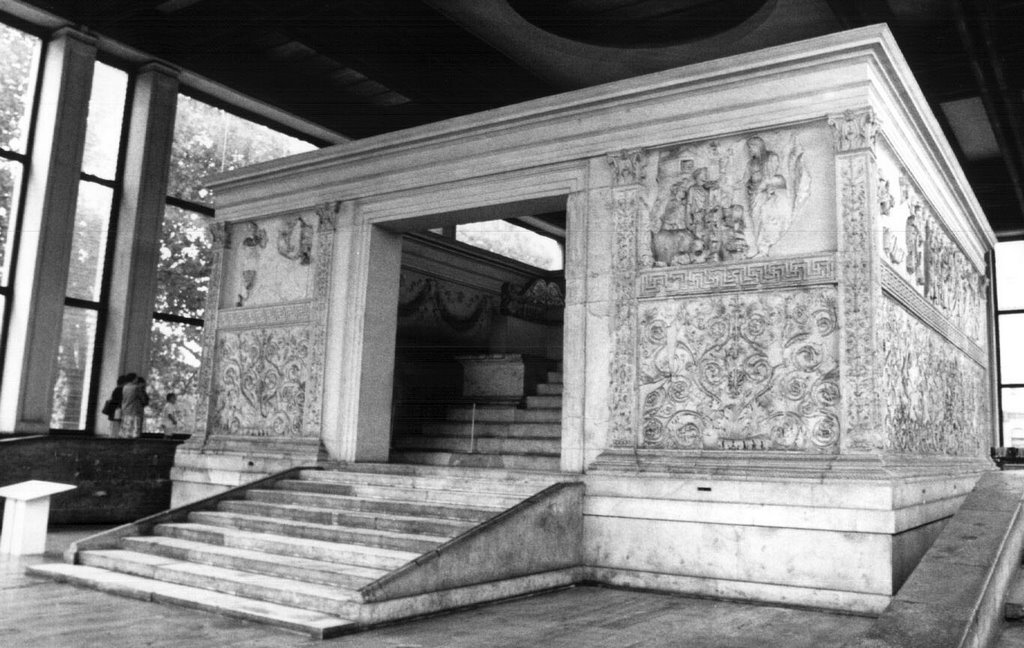
Temple of Hadrian nowadays


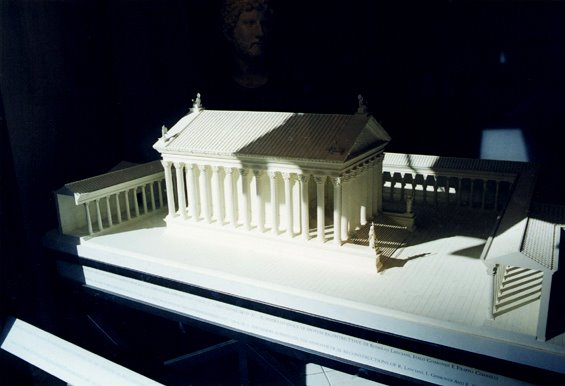
Temple of Hadrian like it was
There is a big chaos here because of the football world cup… flags everywhere, Italian team just got back home… you can imagine the enthusiasm in the streets , in the squares… I couldn’t sleep last night! … Good! Well… world cup is ok but nevertheless neither an American nor a Canadian replays to my posts! Italy is only for football? I don’t think so… there are so many other things to learn about Italian people, specially if you’d like to get here to spend a week in my beautiful country.

Someone from outer galaxies?


The web Universe is very like physical Universe, galaxies and stars scattered in big oceans of nothing in big oceans of empty space. I’m here waiting for someone from outer galaxies. Is there someone English speaking who is so kind to drop me a line? I’d be very happy! I can easily find some Italian speaking readers on my sites in Italian but never got one English speaking… can you help me? Better if you are interested in Italian Language or if you like conversation… but whoever you are you are welcome!

Wednesday, July 05, 2006

DESPERATE SEARCH FOR READERS


No posts on my blog till Tuesday June 27, It’s time to restart my search (I’d say desperate search) for someone interested in Italian language or conversation. I just started another blog (a MSM blog) similar to this one, you know, MSN blogs, when you post a new entry, shows the name of your blog on a special page. This procedure is useful to improve the blog visibility… but pages that show the updated blogs are different for each language… and, because of my residence country, when I update my blog I get visits (sometimes up to 10 or more a day) but only from Italy… and Italians don’t have to learn Italian… That’s whay now I’m back to my older English blog “Italian Culture in Pills”.

Tuesday, June 27, 2006

SIX ITALIAN TV CHANNELS ON MY SITE

Dear friends, in the restyling of my site “HOW TO LEARN ITALIAN”
I restarted “watch Italian TV on my site” service. Now six channels are available, for each of them I list also the specific web site:
1) Rai News 24 - site http://www.rainews24.rai.it/
2) Rai Utile - site http://www.raiutile.rai.it/
4) 3 Channel - site http://www.3channel.it/
5) Repubblica TV - site http://multimedia.repubblica.it/
6) Vatican TV - site http://www.radiovaticana.org/
The same service is available also in my Italian site “ESSERE IN DUE” http://xoomer.alice.it/eventually/

Saturday, June 10, 2006

ITALIAN TV ON MY SITE "HOW TO LEARN ITALIAN"

If you are interested in watching Italian news TV or Italian sport TV you can now watch RAI NEWS 24, a 24/7 news channel in Italian, and RAI SPORT, a 24/7 sport channel in Italian, on my site "HOW TO LEARN ITALIAN"